

Boost Reading Power
Enhance Your Reading Comprehension with These Effective Tips
Reading comprehension is a fundamental skill that significantly impacts various aspects of our lives. It goes beyond just understanding the words on a page—it involves interpreting, analyzing, and making connections with the text. Strong reading comprehension skills are crucial in academics, as they enable students to grasp complex concepts, perform well in exams, and engage deeply with the material. The Crucial Role of Reading Comprehension: A Lifelong Learning Tool emphasizes reading comprehension as the foundation for acquiring knowledge. It highlights how this skill empowers students to analyze complex information.
In the professional world, these skills are equally important, aiding in effective communication, problem-solving, and decision-making. Furthermore, strong reading comprehension enhances personal growth by fostering critical thinking, expanding knowledge, and enriching our overall cognitive abilities.
In this blog, we will explore actionable tips to help you improve your reading comprehension. Whether you’re a student aiming for academic excellence, a professional looking to boost your career, or someone who simply wants to enjoy reading more fully, these strategies will equip you with the tools to become a more proficient reader.
Preview the Text
Previewing is a reading strategy that involves skimming through the headings, subheadings, and summaries of a text before diving into the detailed content. By quickly scanning these elements, you get an overview of the main topics and structure of the material. This initial glance helps you to identify the key points and the overall organization of the text.
Previewing serves several important purposes. Firstly, it sets a clear purpose for reading. When you have an idea of what the text is about, you can focus your attention on the sections that are most relevant to your needs or interests. This targeted approach makes your reading more efficient and effective. The Previewing Reading Strategy – How & When to Use It article discusses how previewing activates a reader’s prior knowledge and helps establish a purpose for reading the text.
Secondly, previewing helps create a mental framework for understanding the content. By knowing the main topics and how they are arranged, you can anticipate the flow of information and make connections between different sections as you read. This mental framework acts like a roadmap, guiding you through the text and aiding in comprehension and retention of the material.
For example, if you’re reading a chapter on the causes of climate change, skimming the headings might reveal sections on greenhouse gases, deforestation, and industrial activities. With this preview, you can approach the text with a clearer focus, knowing that you will encounter these specific topics and how they relate to the overall subject.
Previewing is a valuable strategy that sets the stage for a more engaged and purposeful reading experience. By skimming the headings, subheadings, and summaries, you create a mental structure that supports better understanding and retention of the information.
Active Reading Strategies
Active reading is a dynamic and engaged approach to reading that involves interacting with the text to enhance understanding and retention. Instead of passively letting the words wash over you, active reading encourages you to actively participate in the reading process. This engagement helps to deepen comprehension and makes the material more memorable.
1. Annotating:
Annotating involves marking up the text with notes, comments, and questions. This can include underlining or highlighting key points, writing notes in the margins, and using symbols to indicate important information or sections that require further review. Annotating helps to:
- Clarify your understanding of the text.
- Identify significant themes, arguments, and evidence.
- Engage with the material by connecting new information to what you already know.
Tips for Annotating:
- Use different colors for different types of information (e.g., yellow for key points, blue for questions).
- Write brief summaries or reflections in the margins.
- Mark unfamiliar words or concepts for later review.
2. Highlighting:

Highlighting key phrases, sentences, or sections can help you quickly identify important information when you review the text later. The Cornell Note-Taking System is a method that incorporates highlighting key ideas. This system emphasizes how highlighting helps identify the main points for later review. However, it’s important to use highlighting judiciously to avoid overwhelming the page with color.
Tips for Highlighting:
- Highlight only the most critical information.
- Combine highlighting with notes to explain why the highlighted section is important.
- Use a consistent color-coding system to categorize information.
3. Taking Notes:
Taking notes as you read helps to reinforce key concepts and provides a valuable reference for future review. Notes can be taken in a separate notebook or digitally, depending on your preference.
Tips for Taking Notes:
- Summarize each paragraph or section in your own words.
- Use bullet points or numbered lists to organize information.
- Write down questions or thoughts that arise as you read.
4. Summarizing Each Section:
Summarizing each section of the text in your own words is a powerful active reading strategy. It forces you to process and rephrase the information, which aids in comprehension and retention. Here’s how summarizing can benefit you:
- Improves Understanding: By putting concepts into your own words, you ensure that you truly understand the material.
- Enhances Memory: Summarizing helps to reinforce the information in your memory, making it easier to recall later.
- Identifies Gaps: When you struggle to summarize a section, it indicates areas where your understanding may be weak, prompting you to review and clarify those points.
- Facilitates Review: Summarized notes are quicker and easier to review than re-reading the entire text, making study sessions more efficient.
Active reading strategies like annotating, highlighting, taking notes, and summarizing each section transform reading from a passive activity into an interactive experience. By engaging with the text in these ways, you deepen your understanding, enhance retention, and create valuable study aids for future use.
Vocabulary Building
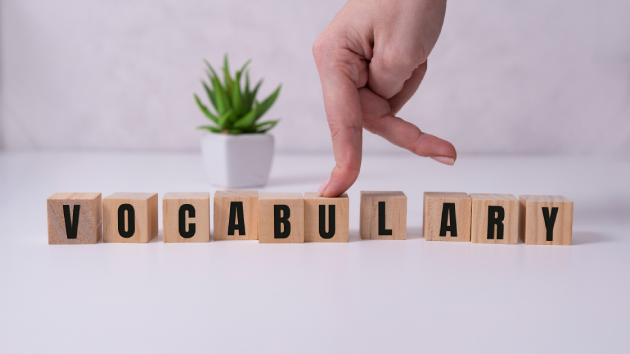
A strong vocabulary is a cornerstone of effective reading comprehension. Reading Rockets: Seven Strategies to Teach Students Text Comprehension discusses vocabulary development as a key strategy for improving reading comprehension. It emphasizes how knowing word meanings allows for “building an understanding of what the text is about.” When you understand the words you encounter in a text, you can grasp the meaning of sentences, paragraphs, and entire passages more easily. Conversely, unfamiliar words can create obstacles to understanding, making it difficult to follow the flow of information and concepts.
How a Strong Vocabulary Enhances Comprehension:
- Improved Understanding: Knowing a wide range of words allows you to quickly and accurately interpret the meaning of the text.
- Contextual Clarity: A robust vocabulary helps you understand subtle nuances and context, which are essential for grasping complex ideas and themes.
- Fluent Reading: Familiarity with a broad array of words makes reading smoother and faster, reducing the need to pause and decode unfamiliar terms.
- Critical Thinking: A rich vocabulary enables you to analyze and critique the text more effectively, enhancing your overall comprehension and engagement.
Tips for Identifying and Learning New Words:
Context Clues:
- Definition Clues: Sometimes, the meaning of a word is explained right in the sentence. Look for phrases like “which means” or “that is.”
- Synonym Clues: Words with similar meanings can provide hints. For example, “The terrain was arid, dry, and barren.”
- Antonym Clues: Opposite words can also give context. For example, “Unlike the arid desert, the oasis was lush and green.”
- Example Clues: Examples following a term can help clarify its meaning. For example, “Celestial bodies, such as the sun, moon, and stars, are fascinating to study.”
Using a Dictionary:
- Look It Up: When you encounter an unfamiliar word, look it up in a dictionary to understand its definition, pronunciation, and usage.
- Note New Words: Keep a vocabulary journal to jot down new words and their meanings. Review this list regularly.
Flashcards and Vocabulary Apps:
- Flashcards: Create flashcards with the new word on one side and its definition, part of speech, and an example sentence on the other. Review these cards regularly to reinforce your memory.
- Vocabulary Apps: Use apps like Anki, Quizlet, or Vocabulary.com to learn and review new words. These apps often use spaced repetition, a technique that improves long-term retention.
Benefits of Flashcards and Vocabulary Apps:
- Convenience: Flashcards and apps are portable and can be used anywhere, making it easy to practice during spare moments.
- Interactivity: Many apps include interactive features like quizzes and games that make learning new words more engaging.
- Customization: You can tailor your flashcards or app settings to focus on specific words or types of words you find challenging.
Building a strong vocabulary is essential for enhancing reading comprehension. By using context clues, consulting a dictionary, and employing tools like flashcards and vocabulary apps, you can effectively identify and learn new words, making your reading experience richer and more rewarding.
Ask Questions
Asking questions is a powerful strategy for enhancing reading comprehension. This research paper, Educational Automatic Question Generation Improves Reading Comprehension in Non-native Speakers: A Learner-Centric Case Study, published in the Reading Research Quarterly, explores the positive effects of questioning on reading comprehension. It highlights how questioning strategies encourage deeper analysis and make connections between the text and the reader’s prior knowledge. By actively engaging with the text through questioning, you can clarify meaning, uncover deeper insights, and retain information more effectively. Encouraging yourself to ask questions before, during, and after reading helps to maintain focus and promotes a deeper interaction with the material.
Before Reading:
Purpose Setting: Asking questions before you start reading sets a purpose and gives you a clear idea of what you’re looking to learn. Examples include:
- Who is the author, and what is their background?
- What is the main topic or theme of the text?
- Why was this text written, and what is its significance?
- What do I already know about this topic?
During Reading:
Active Engagement: Asking questions while reading keeps you engaged and helps to monitor your comprehension. Examples include:
- Who are the main characters, and what are their roles?
- What is happening in this section?
- When did these events take place?
- Where is the setting?
- Why did this event occur, and what are its implications?
- How do the events or ideas connect to one another?
After Reading:
Reflection and Analysis: Post-reading questions help you reflect on what you’ve read and synthesize the information. Examples include:
- Who were the key figures, and what were their contributions?
- What were the main ideas or arguments presented?
- When did the events or ideas discussed take place, and what was their sequence?
- Where did the events occur, or where are the ideas applicable?
- Why are the conclusions or outcomes significant?
- How can I apply this information to other contexts or my own life?
In summary, encouraging yourself to ask questions before, during, and after reading is a highly effective strategy for enhancing comprehension. By considering various types of questions and actively engaging with the text, you can deepen your understanding, retain information better, and make the reading experience more meaningful and rewarding.
Make Connections
Connecting the text to your prior knowledge and personal experiences is a crucial strategy for enhancing reading comprehension. These connections help you integrate new information with what you already know, making it more meaningful and easier to understand and remember.
Importance of Connecting to Prior Knowledge and Personal Experiences:
- Enhances Understanding: When you relate new information to something familiar, it becomes easier to grasp complex ideas.
- Increases Engagement: Personal connections make the text more interesting and relevant to you, which can increase your motivation to read.
- Improves Memory: Information connected to prior knowledge and experiences is more likely to be retained and recalled later.
- Encourages Critical Thinking: Making connections requires you to think deeply about the text and analyze how it relates to other knowledge and experiences.
Types of Connections:
Text-to-Self Connections:
- Definition: Relating the content of the text to your own life, experiences, and feelings.
- Example: While reading a story about a character overcoming a challenge, you might recall a time when you faced a similar situation and how you dealt with it.
- Enhancement: This connection helps personalize the text, making it more relatable and memorable.
Text-to-Text Connections:
- Definition: Relating the content of the text to other texts you have read.
- Example: While reading a novel about a dystopian future, you might compare it to another dystopian book you’ve read, noting similarities and differences in themes, settings, and characters.
- Enhancement: This connection helps deepen your understanding by allowing you to draw comparisons and contrasts, which can clarify themes and concepts.
Text-to-World Connections:
- Definition: Relating the content of the text to larger world events, issues, and ideas.
- Example: While reading an article about climate change, you might connect it to recent news reports about extreme weather events or to broader discussions about environmental policy.
- Enhancement: This connection broadens your perspective, helping you see the relevance of the text to real-world issues and enhancing your ability to apply the information in a broader context.
Making connections between the text and your prior knowledge or personal experiences significantly enhances reading comprehension. Whether through text-to-self, text-to-text, or text-to-world connections, this strategy helps you understand, remember, and engage more deeply with the material, enriching your overall reading experience.
Conclusion: Enhance Your Reading Comprehension with These Effective Tips
Reading comprehension is a skill that influences every aspect of our lives, from academic success to professional achievements and personal growth. By improving your reading comprehension, you open up new opportunities for understanding complex concepts, communicating effectively, and thinking critically.
In this blog, we’ve explored several actionable tips to enhance your reading comprehension. We encourage you to implement these strategies in your daily reading routine. By actively engaging with the text and using these techniques, you can transform your reading experience, making it more meaningful, enjoyable, and effective.
Lastly, I invite you to share your own reading comprehension tips and experiences in the comments below. What strategies have worked for you? How have you improved your reading comprehension? Your insights can help others on their journey to becoming better readers.
Happy reading! Sign up for our newsletter to receive more educational content. Click here.